At least 25 Canadian citizens are among hundreds of people reported missing after catastrophic flash floods devastated parts of Nepal and Tibet, triggering a massive search-and-rescue operation across the Himalayan border region.
Nepalese authorities reported that the disaster has left hundreds of tourists and other foreign nationals unaccounted for. The latest figures reported Thursday, August 27, indicate that 25 Canadians are among the missing, alongside citizens from dozens of other countries.
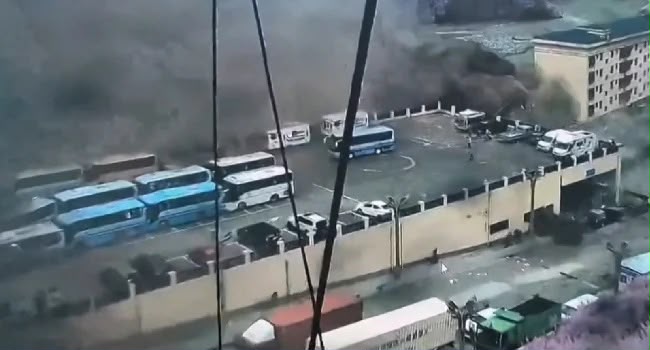
The disaster struck after a devastating surge of water, mud, ice and rock swept through communities near the Nepal-China border. The flooding has destroyed roads and bridges and severely disrupted access to some of the hardest-hit areas, making rescue and recovery efforts extremely difficult.
Many of those missing were tourists, trekkers or pilgrims travelling through the mountainous region. The affected area is also used by visitors travelling toward Mount Kailash, a major religious destination in the Himalayas.
The scale of the disaster has continued to change as authorities gather information from remote areas. The Associated Press reported Thursday that more than 1,300 people were missing across Nepal and Tibet, while at least 353 people had died. Nepal alone reported hundreds of people still unaccounted for, including foreign nationals.
The number of missing Canadians has also changed as officials work to reconcile reports and identify people who have made contact with relatives or authorities. Earlier reports placed the number at 24, while later figures from Nepalese officials and international news agencies put the number at 25 Canadians missing.
The Government of Canada has updated its travel advisory for Nepal to include information about severe flooding and a mudslide in the China-Nepal border area. Canada’s diplomatic representatives are working with local authorities and providing consular assistance as information about Canadian citizens is gathered.
Search teams are facing enormous challenges because of the mountainous terrain, damaged infrastructure and continuing risks from landslides and unstable ground. Helicopters and other emergency resources have been deployed to reach isolated areas and assist people who survived the flooding but remain stranded.
For Canadian families waiting for news, the uncertainty is particularly painful. Relatives may have limited communication with people who were travelling in remote areas, while rescue officials work to establish accurate lists of those who are safe, missing or deceased.
Authorities have cautioned that the numbers remain fluid. Some people initially reported missing may eventually be located, while others could be confirmed among the victims as search teams gain access to devastated communities.
The tragedy has prompted an international response, with governments working alongside Nepalese and Chinese authorities to locate missing nationals and assist survivors. Rescue and recovery operations are expected to continue as crews reach areas that remain difficult to access.
For now, families across Canada are waiting anxiously for updates about their loved ones. The reported 25 missing Canadians form part of a much larger international group caught up in one of the most devastating disasters to strike the Himalayan region in recent years.
This remains a developing story. Missing-person figures and casualty numbers may change as authorities continue search-and-rescue operations and verify information from the affected areas.